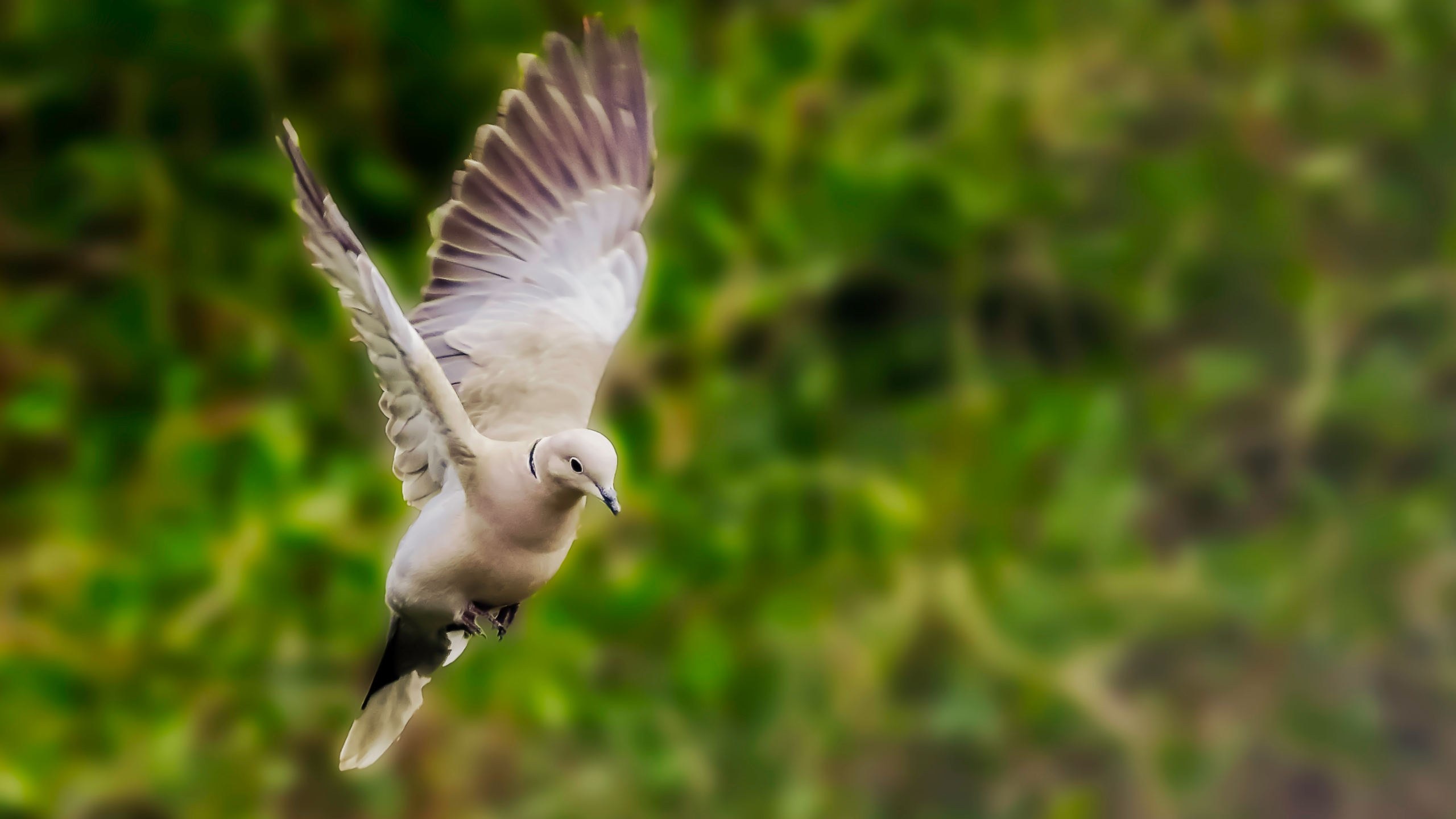
Panning has always been one of the most important skills in motorsport photography, but it’s also one of the hardest to master. When I first started shooting trackside, I struggled with consistency. Some frames were sharp, others were soft, and sometimes the car was sharp but the wheels weren’t. I knew I needed a better way to train my panning technique without relying solely on race weekends.
That’s when I started using bird photography as a training tool — and it completely changed the way I pan.
Why Panning Technique Matters So Much in Motorsport Photography
A strong panning technique is what gives motorsport images their sense of speed. When you nail it, the car stays sharp while the background streaks into motion. It’s the difference between a static-looking shot and one that feels alive and dynamic.
Good panning helps with:
- Creating motion blur at slow shutter speeds
- Keeping the subject sharp while everything else moves
- Adding energy and drama to motorsport images
- Standing out from photographers who rely on safe shutter speeds
But panning is unforgiving. One tiny mistake — a wobble, a hesitation, a misalignment — and the shot is gone.
That’s why I needed a way to practise it more often.
How Bird Photography Improved My Panning Technique
I didn’t expect birds to help me with motorsport, but they did. Birds move unpredictably, change direction instantly, and force you to stay smooth even when your subject isn’t cooperating.
One thing I learned very quickly is this:
When I shoot birds at 1/125 or slower, the wings will blur — and I’m completely fine with that. As long as the body is sharp, I’m happy.
That mindset changed everything for me. Instead of chasing perfection in every part of the frame, I focused on what actually matters:
maintaining a smooth, controlled pan that keeps the core of the subject sharp.
Here’s what bird photography taught me about panning:
- Smoothness matters more than speed.
If my movement wasn’t fluid, the bird’s body blurred instantly. - Commit to the motion.
Stopping halfway ruins the shot. You have to follow through. - Start tracking early.
Locking onto the bird before pressing the shutter made a huge difference. - Slow shutter speeds demand body control.
Shooting at 1/80 or 1/60 handheld forced me to stabilise my stance and breathing.
Once I applied these lessons at the track, my panning consistency improved dramatically.
My Step‑by‑Step Panning Technique
This is the exact method I use now, whether I’m shooting motorsport or training with birds.
1. Choose the right shutter speed
For motorsport, I usually start at:
- 1/250 for safe, sharp pans
- 1/160 for balanced motion blur
- 1/100 – 1/60 for dramatic speed effects
Birds pushed me to go even slower, which made motorsport feel easier.
2. Plant your feet and rotate from the hips
Your upper body should stay stable while your torso rotates smoothly. If your feet shuffle, the pan becomes jerky.
3. Pre‑focus and track before shooting
I start following the subject before pressing the shutter. This builds rhythm and reduces the chance of misalignment.
4. Use continuous AF with tracking
Motorsport and birds both demand reliable autofocus. Continuous AF keeps the subject locked as you move.
5. Follow through after the shot
Never stop when you hear the shutter. Keep moving.
Stopping early is the most common mistake beginners make.
6. Shoot in bursts
Short bursts increase your chances of getting a perfectly sharp frame during the smoothest part of your motion.
Common Panning Mistakes I Learned to Avoid
- Stopping the pan too early
- Using shutter speeds that are too fast
- Holding the camera too tightly
- Not rotating from the hips
- Tracking too late
- Trying to correct mid‑pan
Once I fixed these habits, my keeper rate improved massively.
My Weekly Panning Training Routine
This is the routine that keeps my panning technique sharp, even when I’m not at a circuit:
- 2–3 sessions per week
- 30–45 minutes each
- Focus areas:
- Panning at 1/125 → 1/80 → 1/60
- Tracking unpredictable subjects (birds, cyclists, cars on the street)
- Practising follow‑through
- Testing AF settings and subject tracking modes
By the time I get to a motorsport event, I’m already warmed up.
Final Thoughts: Why Panning Is a Skill You Must Train Regularly
Panning isn’t something you master once — it’s something you maintain. The more I practised outside the racetrack, the more confident and consistent I became during real motorsport events.
Bird photography gave me a way to train my panning technique, autofocus tracking, and reaction time without waiting for race weekends. And yes — when I shoot birds at slow shutter speeds, the wings blur, but I don’t care. If the body is sharp, the shot works. That mindset alone improved my panning more than anything else.
It doesn’t replace the thrill of motorsport, but it absolutely makes me better at capturing it — and it’s a training method I’ll keep using.